AI demand forecasting
and production planning
A forecast built from the orders you actually hold, a schedule built on the capacity you actually own, and a replan the moment a machine, a supplier or a rush order breaks it.
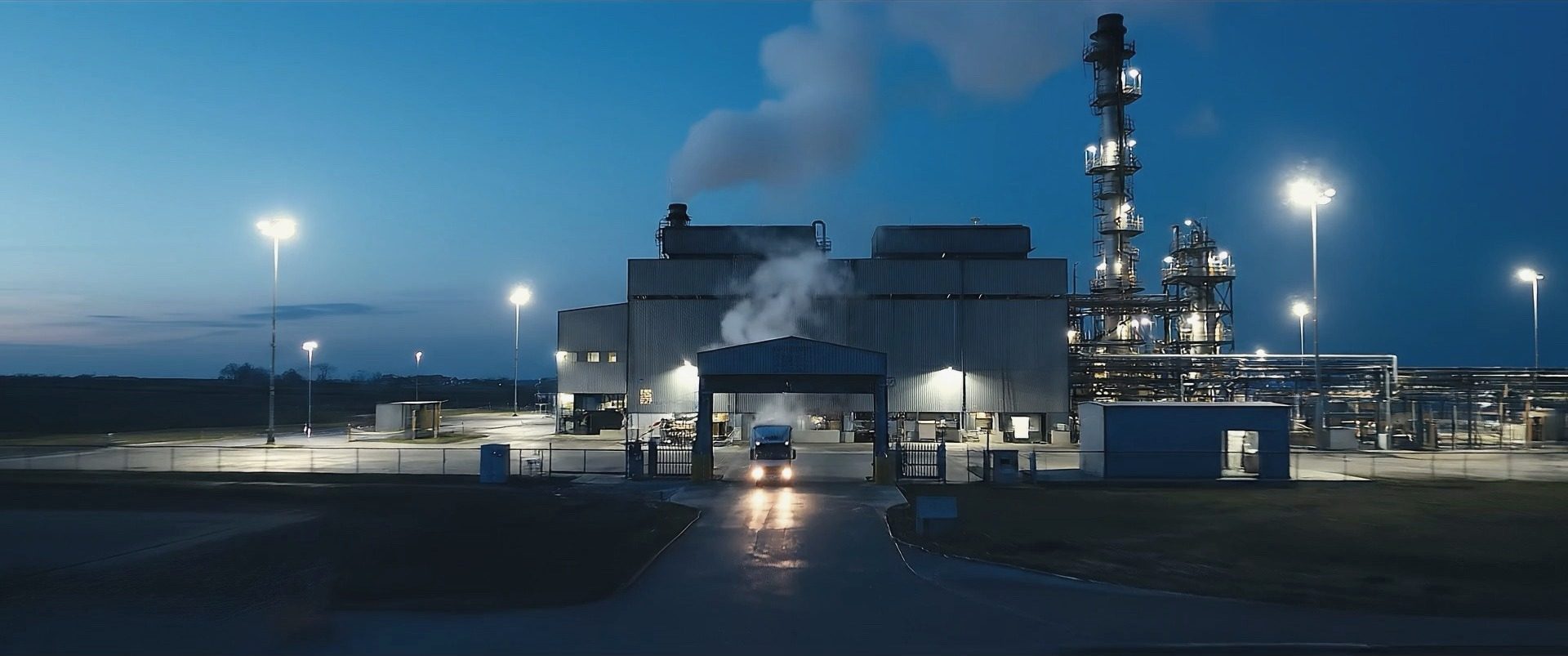
What does AI production planning do?
An AI agent builds the forecast from the orders you hold and what your customers did last year, puts every order on a line, machine and shift that can take it, and watches materials against it. When a rush order, a machine or a late delivery breaks the week, it replans, and any trade-off between customers goes to your planner.
Forecasting
Demand read off the orders on the book, the ones that come back every season, and what your customers actually did last year. Not a number somebody typed into a spreadsheet in January and never revisited.
Production planning
Every order put on a line, a machine and a shift that can genuinely take it. Changeovers, batch sizes and the sequence that wastes the least time are part of the sum, not something a planner fixes afterwards.
Stock alerts
Materials watched against the plan you are actually running, not a reorder point set four years ago. A shortage surfaces while there is still time to move an order or a shift.

Ship on the date you promised.
The plan rebuilds itself whenever an order, a machine or a delivery moves, so the floor always works from a schedule that is still true. Your planners spend their time on the calls only they can make.
Learn moreReplanning a week around a late delivery.
A rush order lands on a week that was already full. Nothing on the floor stops. This is what the agent does with the schedule.

You decide which changes need a planner
Every constraint in the plan has a setting. Changes that keep every promise are made on their own, and any trade-off between two customers waits for your planner, written out.

Our engineers set it up with you.
It takes on more of the planning week as it learns.
Forward deployed engineers build the first plan beside your planners, so the replanning comes off the desk in the first weeks rather than at the end of a project. From there it automates gradually: every correction teaches it your lines and your constraints, and fewer plans need a person to look.

They work inside your operation. They turn the rules in your planner’s head into constraints with your team, set the confidence line together, and stay on as lines and products change. Not a licence and a manual. A team that knows your floor.
The ERP and MES connections, the capacities, the changeover rules and the log are yours to configure. Our documentation and support sit behind your team, and an engineer is a call away whenever you want one.
Talk to us about either ↗



“It’s a matter of building trust in the organisation with these kinds of initiatives. You can’t just throw something like this over the fence.”

Questions about AI production planning.
Where does the forecast come from?
From the orders on the book, the ones that come back every season and what your customers actually did last year, not a number somebody typed into a spreadsheet in January. Each forecast shows what it was built from, so sales and operations can check it before they both sign the same plan.
What does the agent change in the schedule on its own?
You set it per constraint: within a shift, within a day, or never without asking. Capacities, changeovers and minimum runs are never broken to make room for an order, and a delivery date a customer already has is only ever moved by a person on your planning team.
How are stock shortages caught?
Materials are watched against the plan you are actually running, not a reorder point set four years ago. A shortage surfaces while there is still time to move an order or a shift. Because the plan rebuilds itself whenever an order, a machine or a delivery moves, the alerts always follow the schedule on the floor.
Which ERPs and planning systems does it work with?
It reads orders, capacity and stock from the ERP you already run, such as SAP, Microsoft Dynamics 365 Business Central and Finance and Operations, Exact, AFAS or Infor, and it works next to your MRP where you have one. Nothing is migrated: the schedule is written back into the systems your team already uses.
How long does it take to go live?
Forward deployed engineers build the first plan beside your planners and turn the rules in their heads into constraints, so replanning comes off the desk in the first weeks rather than at the end of a project. Every correction teaches it your lines and your constraints, and fewer plans need a person.
Production planning in your ERP.
How the agent works in each ERP: what it reads and writes there, and how it sits next to the ERP's own features.
The rest of the back office.
 ↗
Quote to orderQuote & SellQuotes drafted, orders entered and confirmed the moment they land.
 ↗
Purchase to paySource & ProcureInvoices, POs and confirmations, posted where they belong.
 ↗
Order to deliveryDeliver & SupportCustomers answered with full context, in their own channel.
 ↗
AP & ARPay & CollectInvoices matched, real variances flagged, the rest untouched.
 ↗
Master dataGovern & EnableMaster data kept clean and in sync across every system.